Discovering Lahinch Seafront: A Perfect Retirement Retreat
Explore the charming coastal village with accessible walking paths, fresh sea air, and a welcoming community built for active retirement.
Read ArticleWhat to expect weather-wise throughout the year. We'll help you pick the best months for visiting or planning your retirement move to the coast.
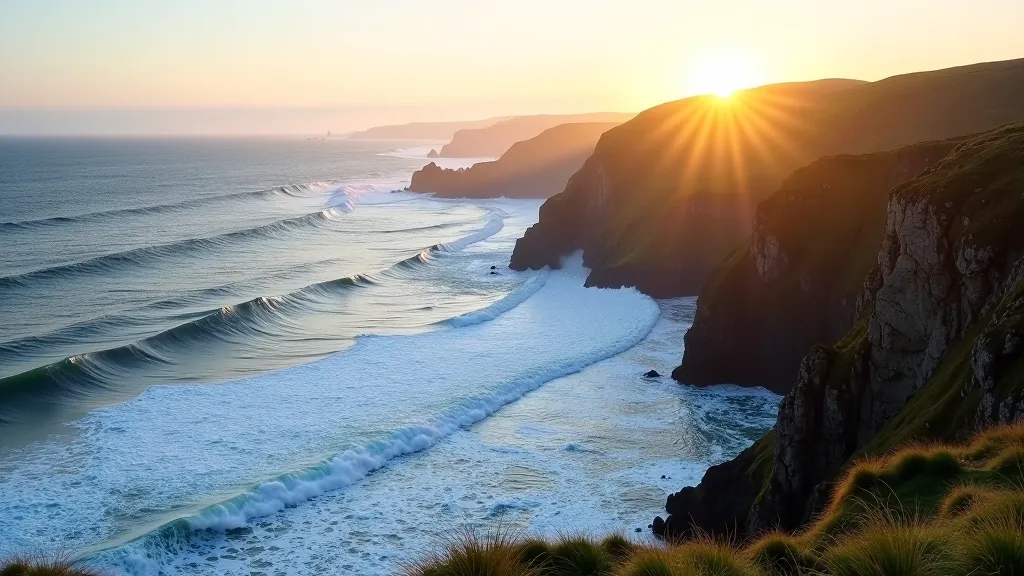

You're thinking about retiring to Clare's coast. That's wonderful. But here's the real talk — the weather isn't what you'd get in the Mediterranean. It's not supposed to be. What you get instead is something more interesting: dramatic skies, real seasons, and days where the light hits the cliffs in ways that make you understand why artists keep coming back here.
The Atlantic's moods change constantly. Some months are brilliant for walking. Others? You'll want to be cozy indoors with a good book and a view. We've lived through the seasons here, and we'll tell you honestly what to expect — not the tourist brochure version.
Distinct Seasons
Hours of Daylight (Summer)
Year-Round Range
Days of Rain Annually
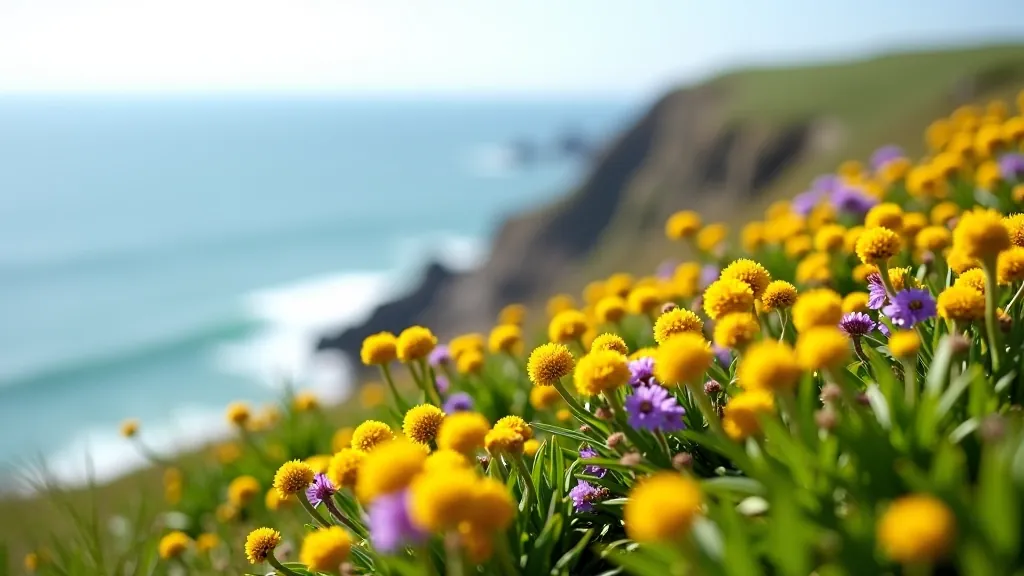
Spring in Clare doesn't follow a schedule. You'll get glorious days — really glorious, when the temperature hits 15°C and the gorse is bright yellow — followed by mornings where you'd swear it's still February. That's not a bug, it's a feature.
March is still winter's cousin. Wind and rain dominate, though you'll notice the days getting noticeably longer. By mid-April things shift. Showers still come, but they're briefer. The cliffs get greener. May? That's when people who've moved here stop complaining about the weather.
Best for: Visiting if you enjoy dramatic scenery and don't mind layering. The walks are manageable, and you won't encounter the summer crowds.
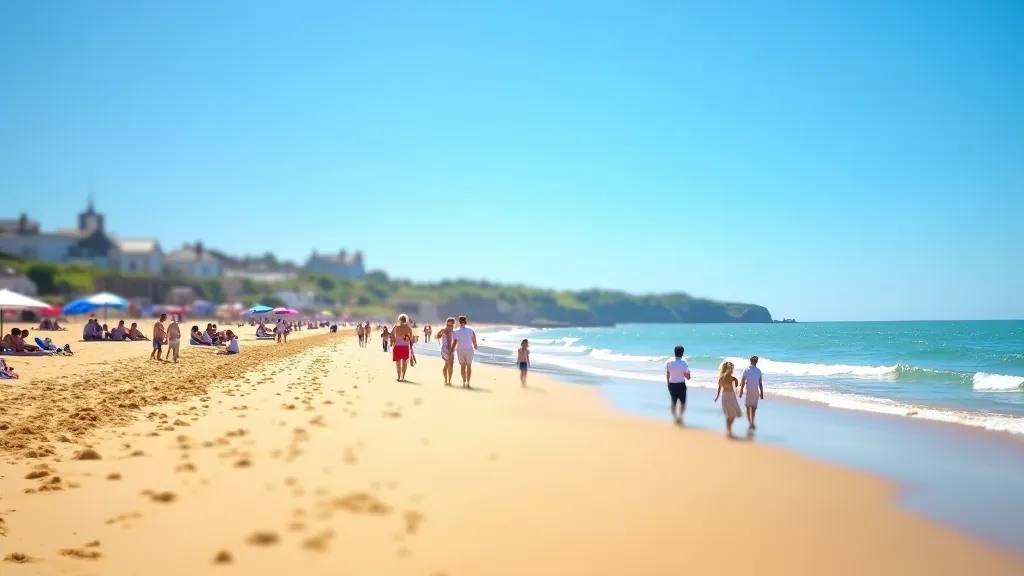
This is when everyone comes. Temperatures reach 18-20°C (that's 64-68°F). Rainfall drops. The light lasts until nearly 10 PM in late June. It's genuinely lovely — and genuinely packed with tourists.
July and August are the warmest months, though "warm" is relative. You won't be swimming comfortably unless you're brave or have a wetsuit. The beaches fill up. Local restaurants get busy. Walking trails get crowded, especially the popular Liscannor Bay Loop.
If you're planning a visit to check out whether retirement here is right for you, summer shows you the "best case" scenario. But it's not representative. You won't experience real Clare in summer — you'll experience tourist Clare.
Information Disclaimer: This article provides general information about Clare's coastal weather patterns based on historical climate data and local observations. Weather patterns can vary year to year. For detailed weather forecasts, current conditions, or planning specific activities, consult official meteorological services. Climate and weather considerations are just one factor in retirement planning — consult with professionals regarding healthcare, housing, and financial aspects of any move.
This is when people who actually live here get their coast back. September can still be warm — 16-17°C — but the crowds disappear. The light becomes lower, golden, more interesting. October and November bring increasing wind and rain, but also fewer tourists and that specific quality of light you can't photograph properly.
September is probably the best month of the year if you're seriously considering a move. The weather's mild, the coast is quieter, and you can actually talk to locals who aren't drowning in summer business. Autumn rain starts arriving in October. By November, expect regular wet days — but also dramatic skies that make the landscape look almost otherworldly.
✓ Best walking conditions in September
✓ Lowest tourist numbers
✓ Comfortable outdoor time (9-15°C)
✓ Dramatic coastal light
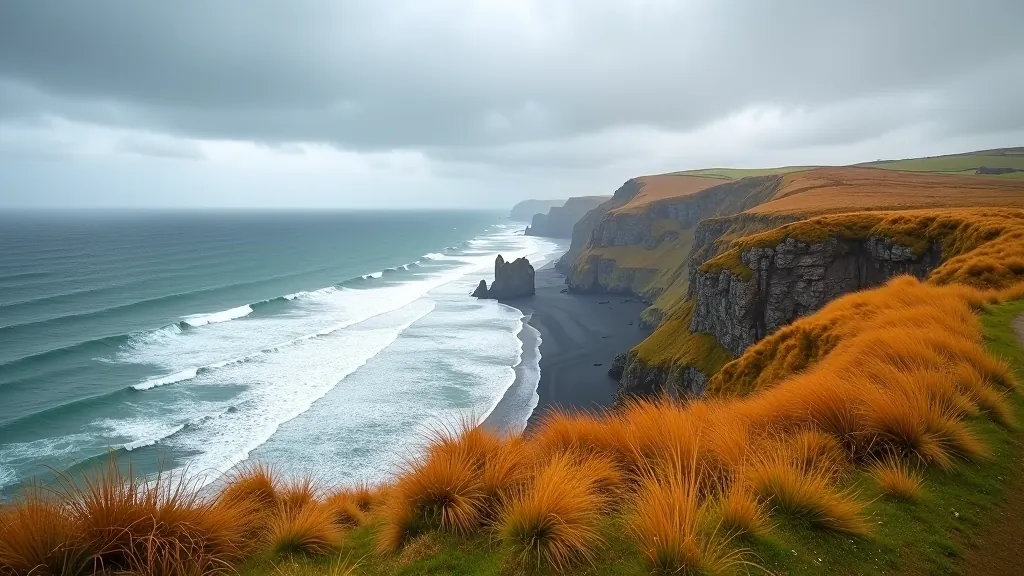
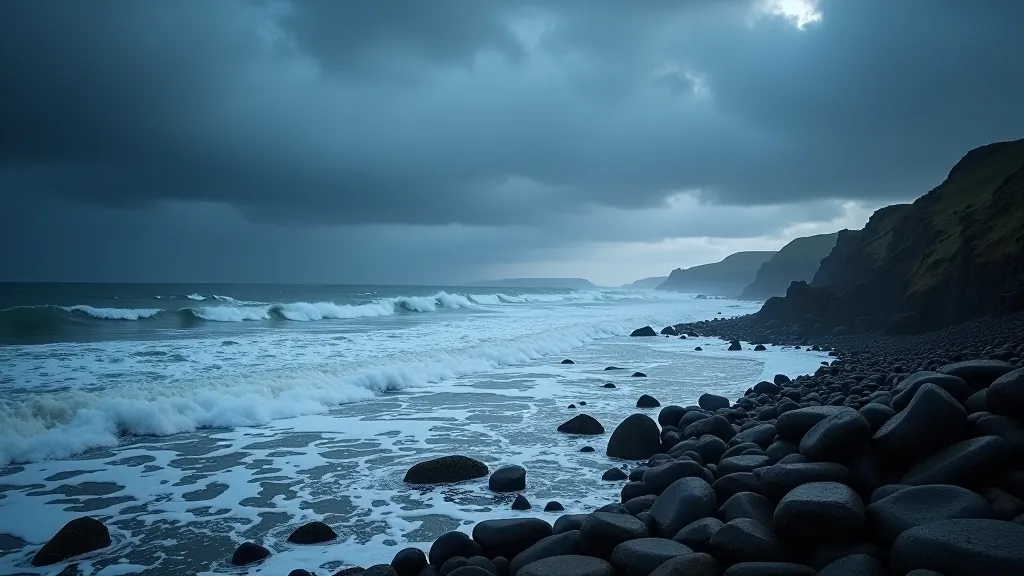
Winter is real here. Temperatures drop to 8-10°C. Storms come off the Atlantic with genuine force. December through February sees the most rain — expect 40-50 rainy days across the three months. The coast is moody, dramatic, sometimes genuinely rough.
But here's what you don't get: snow piling up for weeks. Freezing pipes. Weeks of grey dreariness. Winter comes and goes. Most days it's not snowing — it's just wet and cool and the light's low. Some retirees love winter here. The walks are solitary. The cliffs are spectacular in storms. You can actually see Aran Islands on clear winter days when the air's sharp.
If you're considering moving here, spend a winter week in January. Not Christmas — that's a tourist time. Spend January. That's when you'll know if you can handle what this place actually is.
Here's the honest answer: there's no "best" season universally. There's the best season for you, and it depends on what you want from retirement.
Come in September or early October. The weather's mild, the walking's excellent, and you're not dodging crowds. These months show you the coast at its most accessible.
Winter works. November through February, the coast is yours. Storms are spectacular. Walks are peaceful. But you need to genuinely like weather that's rough and moody.
Visit in May or June. You get decent weather and longer daylight without the July/August crowds. This is when locals say yes, the coast is worth moving to — before tourist season drowns everything.
The weather here isn't a bug you're signing up for. It's part of what makes this coast genuinely beautiful. The rain feeds the cliffs' green. The wind sculpts the light. The seasonal changes mean you're actually connected to the year — not just existing in endless sameness.
We've talked to dozens of people who've moved here in their 60s and 70s. Not one has said the weather's the reason they regret it. Most say it's exactly what they needed.